
What's In A Name
Is the title of this newsletter as pretentious as it sounds?

Wrack of ages is a weird phrase. Mainly because of the word wrack I think. It comes from one of my favourite quotes about archaeology, written by Geoffrey Bibby in his 1956 book The Testimony of the Spade.
“Every archaeologist knows in his heart why he digs. He digs, in pity and humility, that the dead may live again, that what is past may not be forever lost, that something may be salvaged from the wrack of the ages, that the past may color the present and give heart to the future.”
Yes, the quote is a little old-fashioned (there were female archaeologists in the 50s) but something about it calls to me. It puts into words so many of my own feelings about what it is to be an archaeologist.
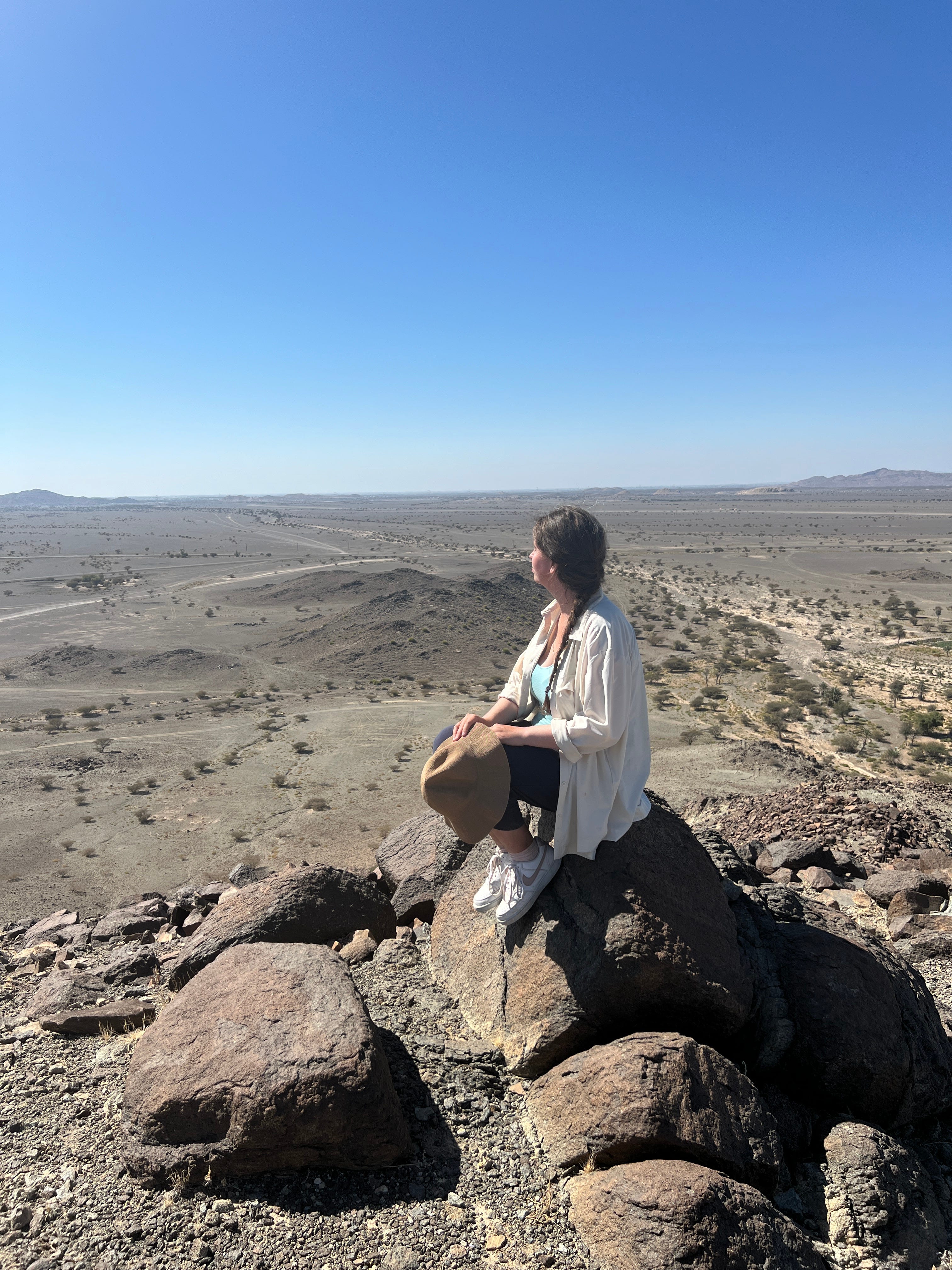
When I decided to study archaeology, it wasn’t out of some noble calling or even a strong passion for history. Nope. It was because my local university was starting a new Bachelor of Archaeology degree, yes that does mean I have a BARCH degree, and 17-year-old me thought, “Great! It’s like studying history but without having to learn an ancient language.” I’d been obsessed as a kid with a children’s book series about an archaeologist named Cairo Jim, who had an arch-nemesis, and I literally thought, “Wouldn’t it be fun to have an arch-nemesis?” When it came time to choose a science major for my degree, I was watching Bones and got as far as “A for Anthropology” in the alphabetical list before stopping. Did I know there were different types of anthropology? Absolutely not. Did I care? Not really.
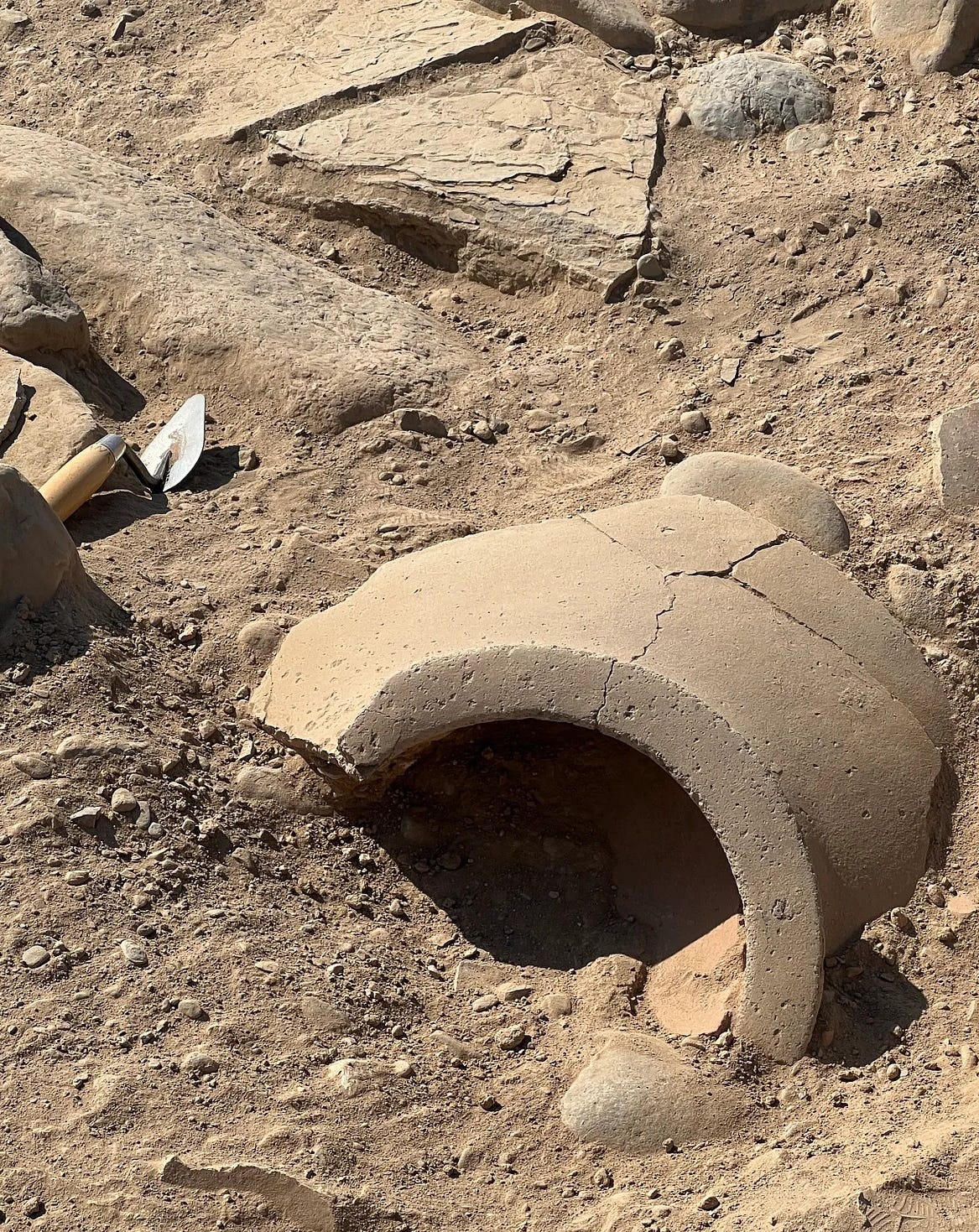
And yet, somehow, from these haphazard decisions, I found my passion. Archaeology wasn’t even on my radar before I started my degree. I had no idea it was a real career outside of Time Team reruns. Fast forward almost exactly 10 years from my first lecture on the Roman Republic, and here I am, in the third year of a PhD in landscape archaeology. Second-year Steph would be horrified to learn that my dreams of becoming a classical archaeologist have been dashed. Because of how my undergraduate studies were structured, I still see archaeology as a field of history and myself as a historian and archaeologist. The two are not separate fields but heavily intertwined.
Archaeology has humbled me in ways I never expected. It’s more than a career. Every road in my life has led me here, to this moment, where I get to uncover stories that have been buried for centuries. What you don’t see in lecture halls, TV shows, or movies is the intimacy of archaeology. It’s that quiet moment when you uncover something hidden for hundreds or even thousands of years, and there’s a split second before you start recording when it’s just you, the object, and the person who last saw it. In that moment, the archaeologist becomes part of the archaeology. We are forever linked to the stories and lives of the people we uncover.
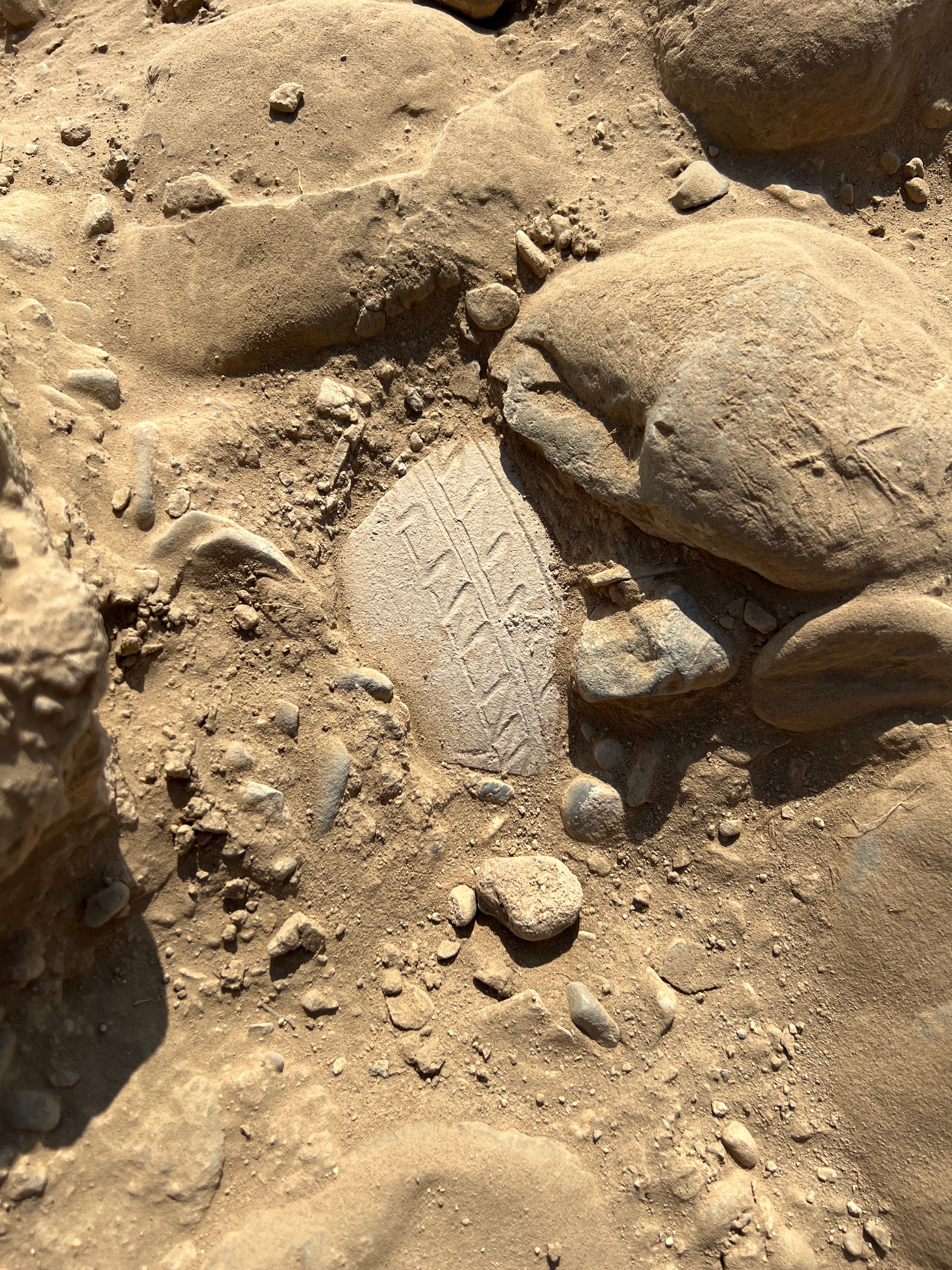
Ghosts don’t exist because if they did, I should be haunted. I’ve excavated enough human remains that my lack of a spectral entourage is proof enough for me. But in a way, the people I’ve uncovered do stay with me. Whether it’s through their bones or the fragments of their lives they left behind, they linger in my thoughts and my work. Maybe that’s what makes them ghosts though not in the traditional sense, but in the way they haunt my understanding of the past and shape my connection to the present. As Bibby said we work so the “dead might live again” and I’ve come to believe that.
This field is often romanticised. Looking at you Indiana Jones and Lara Croft. But the reality is far less glamorous and far more fascinating. It’s hours spent hunched over in the rain, plan drawing the excavation of an Oxford college garden. It’s sunburns and bug bites while twisting yourself into the most random yoga poses as you excavate a necropolis in the Menorcan sun, and the occasional existential crisis when you realise that no one can tell if what you’re holding in your hand is a root or someone’s femur. It’s looking down and realising you are cleaning an ancient tooth with a toothbrush and running your tongue across your own, cleaning bones with toothbrushes till they are pristine and feeling the intimacy of caring for a person you know nothing and everything about. It is spending years looking at satellite images of villages and trying to understand why people chose to live there. Trying to understand who they are from the position of their buildings.
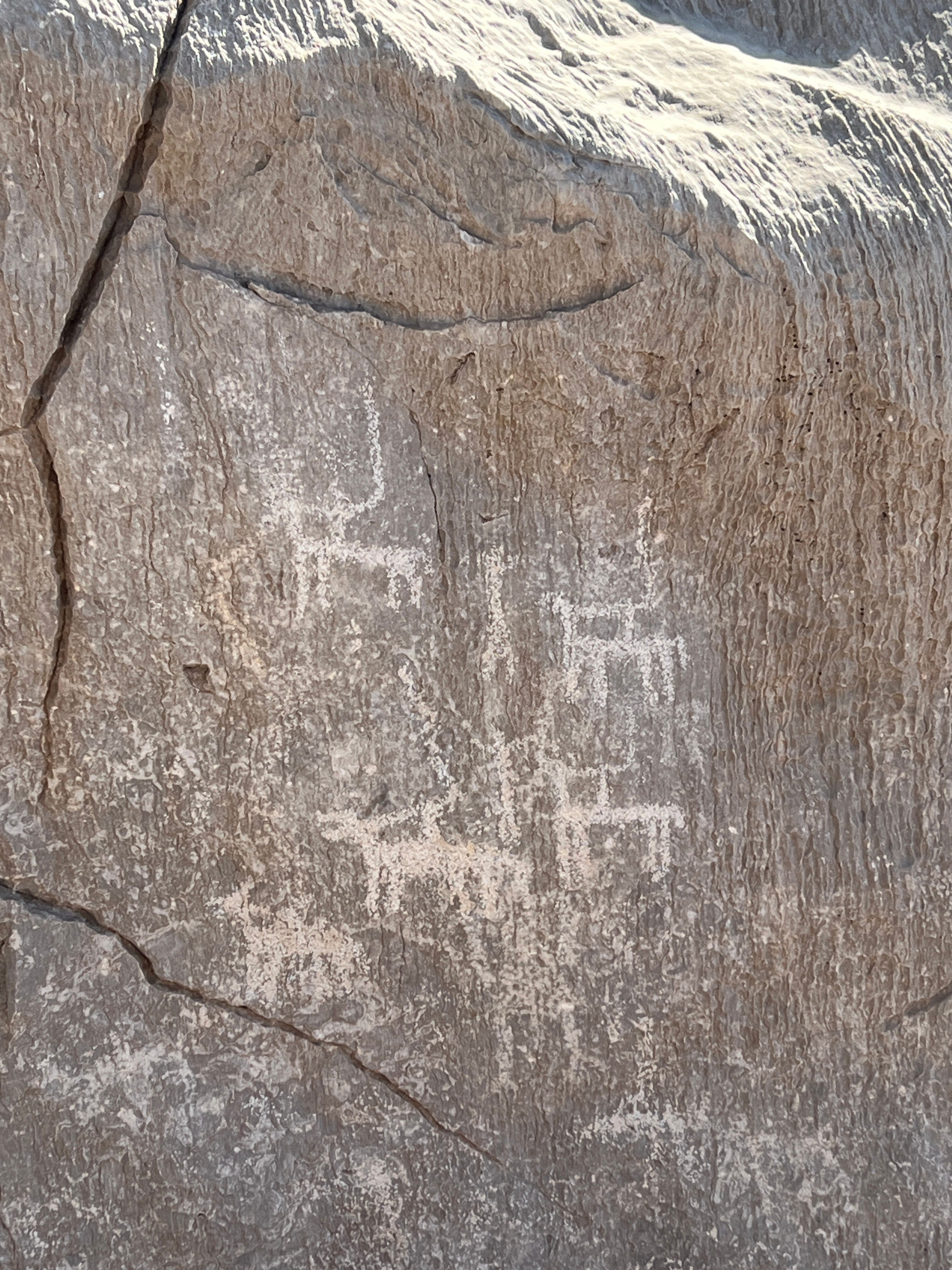
Archaeology, at its core, is a deeply human endeavour. It’s about asking questions, seeking answers, and sometimes sitting with the uncomfortable truth that we may never fully understand the past. But that’s okay. The beauty of it lies in the trying, in the act of reaching across time to touch something real, something tangible, something that reminds us of who we are and where we’ve come from.
This isn’t a place for me to share what I’ve learned. It’s about exploring something much deeper. The past isn’t static; it’s alive, constantly reinterpreted and reimagined through the lens of the present. Hopefully, we can salvage something from the wrack of the ages together.
- Steph
Wow. I do believe you are the first Archeologist I met. You're in the Field. I'm in the Books. It is so weird hearing your Voice. It sounds so like mine. So very much like mine... I do hope you plan on writing more. Which era/region is your forte? I am a Romanologist, but I span Mesopotamia 10,000 BCE, Egypt, Sumerian, Akkadian, All the eras of Ancient Greece, Persia, Great Britain, Scandinavia, and Western Civilization up to 1776 CE. Very excited to read more from you.
Feels like you’re not just writing words but inviting someone to sit beside you for a while and come along for the journey.